
Essential Guide to Concrete Joints in NYC Sidewalks
- December 10, 2025
- Concrete Sidewalk
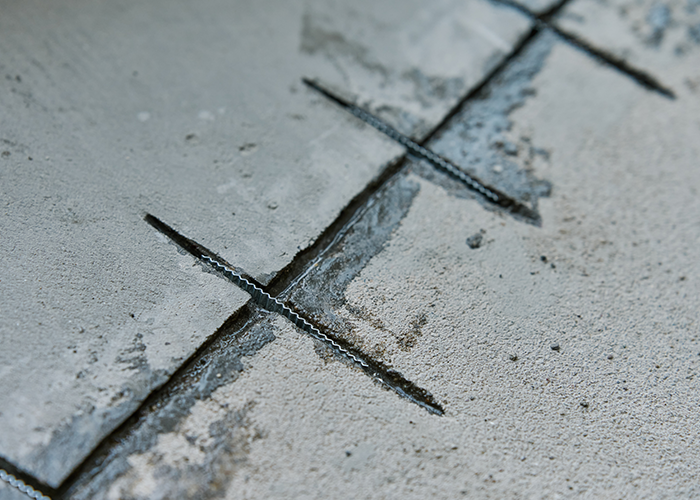
Concrete joints play an essential role in the structural integrity and longevity of sidewalks, especially in high-traffic areas like New York City. Understanding the purpose and types of joints, how they are maintained, and the repair processes involved is crucial for property owners, contractors, and city planners. In this complete guide, we’ll break down everything you need to know about concrete joints in NYC sidewalks, from their function to maintenance and repair options.
What Are Concrete Joints and Why Are They Important?
Concrete joints are intentional separations between concrete slabs designed to accommodate the material’s natural expansion and contraction. These joints are built into the sidewalk to prevent cracking due to temperature changes, moisture variations, and the constant wear and tear of foot and vehicle traffic.
In NYC sidewalks, the pressure from street traffic, freezing and thawing cycles, and the sheer volume of foot traffic make concrete joints even more critical. They allow the concrete to move without causing unsightly cracks or damaging the sidewalk’s integrity.
Types of Concrete Joints in NYC Sidewalks
There are several types of joints used in sidewalk construction. Each type serves a specific purpose, ensuring that the sidewalk is both durable and functional:
1. Expansion Joints
Expansion joints are installed to accommodate the natural expansion and contraction of concrete due to temperature changes. Concrete tends to expand when heated and contract as it cools. Without expansion joints, these temperature changes would create cracks in the sidewalk. These joints are usually filled with a flexible material such as rubber, foam, or asphalt to absorb this movement.
2. Contraction Joints
Contraction joints are designed to control crack locations in concrete. These joints help the sidewalk crack in a controlled manner as the material dries and hardens, allowing it to shrink naturally. Without contraction joints, random cracking would occur, leading to an uneven surface. These joints are typically placed at regular intervals across the sidewalk.
3. Construction Joints
Construction joints are created at the points where different sections of concrete are poured. These joints help maintain the alignment of the sidewalk and allow proper bonding between new and old concrete sections. These joints are typically located at the end of a pouring section and are often aligned with existing sidewalks or other structural features.
4. Isolation Joints
Isolation joints separate concrete from other elements such as curbs, utility structures, and adjacent sidewalks. These joints prevent structural movement in adjacent aspects from affecting the concrete sidewalk, thereby preventing cracks or misalignment.
Signs of Concrete Joint Problems in NYC Sidewalks
As sidewalks age, concrete joints can start to wear down, leading to further damage in the surrounding concrete. It’s essential to keep an eye out for common signs of joint deterioration:
- Visible Cracks: Cracks along joints may indicate they are no longer functioning as intended.
- Separation or Gaps: Gaps between slabs, particularly in expansion joints, can indicate that the joint has lost its integrity.
- Misalignment: If the sidewalk appears uneven or the slabs are shifting, it may indicate that the joints aren’t properly aligned, leading to an unstable surface.
- Pooling Water: Poorly maintained joints can lead to improper drainage, causing water to pool along the sidewalk and further eroding the concrete.
How to Maintain Concrete Joints in NYC Sidewalks
Proper maintenance of concrete joints can prolong your sidewalk’s lifespan and reduce the risk of significant damage. Here are a few ways to ensure your sidewalk joints stay in top shape:
1. Regular Inspections
Regularly inspecting your sidewalk is the first step to catching early signs of joint damage. Check for cracks, gaps, or any signs of shifting slabs. If you notice any of these issues, it’s essential to address them promptly to prevent further damage.
2. Sealant Application
Sealing joints is a great way to protect them from moisture and prevent deterioration. Concrete joints, especially expansion joints, are often filled with a flexible material like rubber or asphalt, which can degrade over time. Reapplying sealant can ensure that the joints maintain their flexibility and functionality.
3. Prompt Repairs
When cracks or gaps are spotted, timely repairs are essential to prevent more severe damage. Minor issues can often be patched with joint filler or sealant, while larger problems may require full joint replacement or slab realignment.
4. Proper Drainage
Ensure that water drains properly around your sidewalk. Poor drainage can lead to erosion around joints, compromising the sidewalk’s structural integrity. Regularly clear debris or blockages from drainage areas to prevent water from collecting and damaging the joints.
How to Repair Concrete Joints in NYC Sidewalks
If you notice damage to the joints in your sidewalk, address it promptly to prevent further structural damage. Here are some standard methods for repairing concrete joints in NYC sidewalks:
1. Resealing Expansion Joints
If an expansion joint is showing signs of wear, resealing it with a new flexible sealant is often the best solution. This is a relatively simple, cost-effective repair option that helps maintain the joint’s functionality.
2. Joint Filler Replacement
For contraction joints that have worn down or become cracked, replacing the joint filler with a new material can restore the joint’s ability to manage shrinkage and movement in the concrete.
3. Concrete Slab Replacement
In more severe cases, a damaged joint may necessitate complete slab replacement. If joint failure has caused misalignment or significant cracking, a portion of the sidewalk may need to be removed and replaced to restore its stability.
4. Polyurethane Foam Injection
If shifting or settling of sidewalk slabs is the issue, polyurethane foam injection can be used to lift and realign the slabs. This method works well for expansion and contraction joints that have led to uneven surfaces.
Why Concrete Joint Maintenance is Crucial in NYC
Concrete joints in NYC sidewalks are crucial for both safety and durability. New York City’s sidewalks endure constant wear from foot traffic, heavy equipment, and extreme weather. Properly maintained joints help preserve the stability and appearance of the sidewalk while also preventing costly replacements. Regular maintenance also allows property owners to comply with NYC sidewalk regulations and avoid fines for unsafe conditions.
Concrete Joint Repair Costs in NYC
The cost of concrete joint repair in NYC can vary depending on the extent of damage, the area size, and the specific repair method used. Here’s a rough breakdown of costs:
- Crack Repair / Joint Sealing: Typically costs around $3–$7 per linear foot, depending on the size of the crack and the type of sealant used.
- Slab Levelling: Polyurethane foam injection can cost $6–$10 per square foot.
- Complete Slab Replacement: If joint failure leads to slab replacement, expect to pay $15–$20 per square foot.
- Curb Repairs or Replacements: Additional work, such as curb adjustments or ADA-compliant curb ramps, can increase the total cost, typically ranging from $500 to $1,500, depending on complexity.
Conclusion
Concrete joints are essential components of NYC sidewalks, and their proper maintenance ensures the safety, functionality, and aesthetics of outdoor spaces. By understanding the types of joints, their role in sidewalk integrity, and how to maintain or repair them, property owners can save money on long-term repairs and enhance their properties’ curb appeal. Regular inspections, timely sealing, and proper maintenance can extend the life of your sidewalk and help keep New York’s streets safe and beautiful for everyone.
If you’ve noticed issues with the concrete joints on your sidewalk or need professional help with sidewalk repair, don’t wait until the damage worsens. At NYC Concrete Sidewalk Repair, our experienced team is ready to provide expert inspections, repairs, and installations for all your concrete needs. Contact us today for a free consultation and let us help restore the safety, stability, and appearance of your sidewalk.